“Four generations on this land,” David Hartman says. He farms 2,800 acres of winter wheat in western Kansas. “Great-grandfather homesteaded in ’47. Same crops, same approach. You grow it clean, make the call, hope you got it right.”
That hope almost cost him everything in 2024.
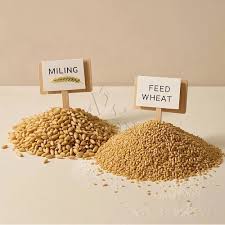
The Hartmans grew from 480 acres in 1947 to 2,800 today. Four generations built a reputation on quality wheat. But here’s the thing about quality–you can’t sell it if you can’t prove what you’ve got. Milling-grade wheat pays $7.50 a bushel. Feed-grade? $4.75. And when you’re staring at discolored wheat heads in the field, drought stress looks exactly like wheat streak mosaic virus. Until you test it.
The difference between those two things? $2.75 per bushel. On 800 acres, that’s $99,000. One wrong call.
Standard pathogen labs take five to seven business days for results. By then your grain’s in the bin. So every harvest, same impossible choice: wait for results and watch weather roll in, or cut now and pray you didn’t just mix disease with clean.
David was making six-figure decisions on prayer.
“Every harvest I was flying blind. One wrong call, that’s $200,000 of grain contaminated. That’s not farming–that’s gambling.”
The Challenge: When visual inspection isn’t enough
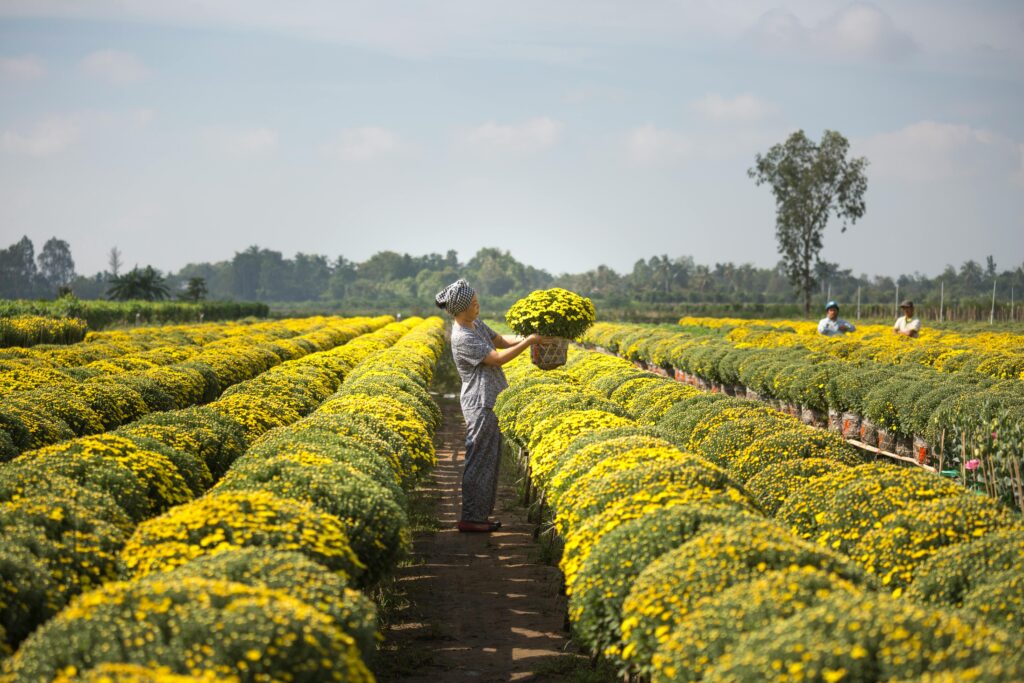
Before Prairie Edge, David had the expertise–just not the tools to back it up. Four generations of Hartmans taught him what to look for. Off-color heads, stunted kernels, weird stress patterns. Walk a field at dawn and he’ll tell you something’s wrong.
What he can’t tell you: whether it’s wheat streak mosaic virus or drought stress.
The Risk
Cross-contamination during storage was the nightmare keeping David up at night. One contaminated acre mixed into a bin with clean wheat–you’ve ruined the whole thing. Milling-grade at $7.50 a bushel drops to $4.75 for feed. Or worse–sometimes they just won’t buy it at all.
The visual symptoms that should scream “segregate this now”–disease patches, discolored heads, stunted kernels–they’re just question marks while you wait a week for some lab to call you back.
“You’re standing there watching grain go into the bin, and you see something–could be disease, might not be–and you’re just thinking, God, I hope this doesn’t ruin everything, Six figures riding on hope. That’s not farming. That’s gambling.”
The Timeline Problem
Harvest runs on 10-day windows when weather cooperates. Can’t leave grain sitting in the field waiting for lab results.
David could send samples to testing labs. Standard pathogen testing meant plating cultures, waiting 3-5 days for incubation, then microscopic examination. Good science. Terrible timing for harvest.
Call labs during July and August, same answer every time: “Submit your sample, standard turnaround is five to seven business days.”
Five to seven business days. Results show up next week, after harvest is done and everything’s already in the bin.
So the choice was brutal: delay harvest, wait for results, risk the weather wrecking your standing crop. Or cut now, store blind, and hope contamination doesn’t spread through your bins.
David made storage decisions the way his great-grandfather did–visual inspection, experience, luck.
July 15, 2024
6:30 AM.
David’s walking the winter wheat field they’re cutting today. Patches of stunted, discolored heads scattered across 120 acres–part of an 800-acre block. Combine crew shows up at 9.
If it’s environmental stress, grain’s fine–store it all together.
If it’s disease? Storing it with clean grain contaminates the entire bin.
He’s doing the math in his head:
- Milling grade wheat: $7.50/bushel
- Feed-grade: $4.75/bushel
- If disease gets in the whole bin: 800 acres x 45 bushels x $2.75 difference = $99,000 loss, minimum
- Worst case, they reject the whole lot: $171,000 total revenue instead of $270,000.
Call a lab, send a sample, wait 5-7 days. By that time all 800 acres are already in the bin.
“So I’m standing there at 6:30, doing the math, right? And I’m thinking, if I get this wrong, that’s… that’s three years of profit for most farm families. Just gone. And I can’t wait for the lab–five to seven days? My harvest window’s gone. Weather rolls in, I’m done. I needed an answer in hours, not weeks.”
He needed to know by Tuesday night to make storage calls Wednesday morning.
It was Monday.
Making the Call
David pulls out his phone. He’s had Sarah Chung’s cell number saved since March–
she’d told him to call anytime during harvest season.
He texts: Sarah–cutting today, something’s off. Can I drop a sample this morning?
Three minutes later, his phone rings.
“Get it here by 10,” Sarah says. “We’ll run PCR. You’ll have results Tuesday afternoon.”
“Tomorrow?” David says. “Sarah, I’ve never gotten results back in less than a week.”
“Harvest doesn’t wait,” Sarah says. “We know that. We’ll have it done.”
The Solution: PCR at Harvest Speed
Before Prairie Edge, pathogen testing meant state labs. Send samples, wait for culture-based ID, get results the following week – after you’ve already made your storage decisions.
Prairie Edge runs different.

Monday, 9:52 AM
David pulls into Prairie Edge’s parking lot with a gallon Ziploc of wheat heads from the bad patches. Sarah meets him at the door.
“We’ll run PCR today. Maria will call you tomorrow afternoon with results,” Sarah says.
Prairie Edge’s rapid protocol uses PCR molecular diagnostics instead of the traditional culture methods. DNA extraction, amplification, identification–24 to 48 hours, 99.7% accuracy. No waiting for cultures to grow.
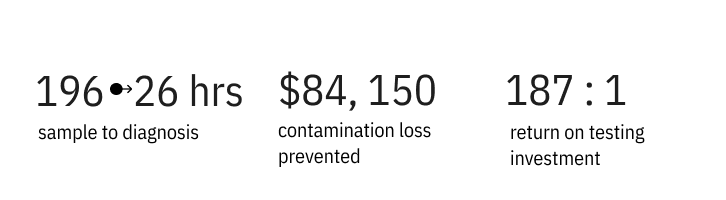
“I dropped the sample Monday morning at 9:52,” David says. “Maria called Tuesday at 2:14: ‘Wheat streak mosaic virus, PCR confirmed.’ Twenty-six hours from field to diagnosis.”
Tuesday 2:14 PM
David’s phone rings. Maria Cutler from Prairie Edge.
“David, it’s Maria. We’ve got wheat streak mosaic virus, PCR confirmed. Good news– it won’t spread in storage, so you’re not looking at total contamination. You’ll need to segregate those 120 acres for feed sales, but the rest can go to milling.”
David pulls his truck over. Sits there for a second.
“You just saved my ass, Maria.”
“That’s literally why we’re here,” Maria says. “You can’t wait a week during harvest–we get it.”
David called Sarah back that night, after harvest wrapped for the day.
“I just sat in my truck for like ten minutes after Maria called,” he told her. “Because I’ve been making these calls my whole life. My dad made them. My grandfather made them. And we were all just… guessing. And in twenty-six hours, I had certainty. My hands were actually shaking when I called my son. I told him, ‘Jake, we’re not guessing anymore.’”
Sarah remembers that conversation. “That’s when I knew we’d built something that actually mattered,” she says. “It wasn’t just faster testing. It was giving farmers their sleep back.”
What Happened Next
David shifted his harvest plan right there on the side of the road. Segregated the 120 infected acres into a separate bin for feed sales. Stored the clean 680 acres for milling contracts.
The molecular testing gave him the specific pathogen, not just “disease present.” That matters– wheat streak mosaic won’t spread in storage, but you still need to sell the infected grain separately.
First time in his career, David made a storage decision based on confirmed diagnosis.
Not guessing.
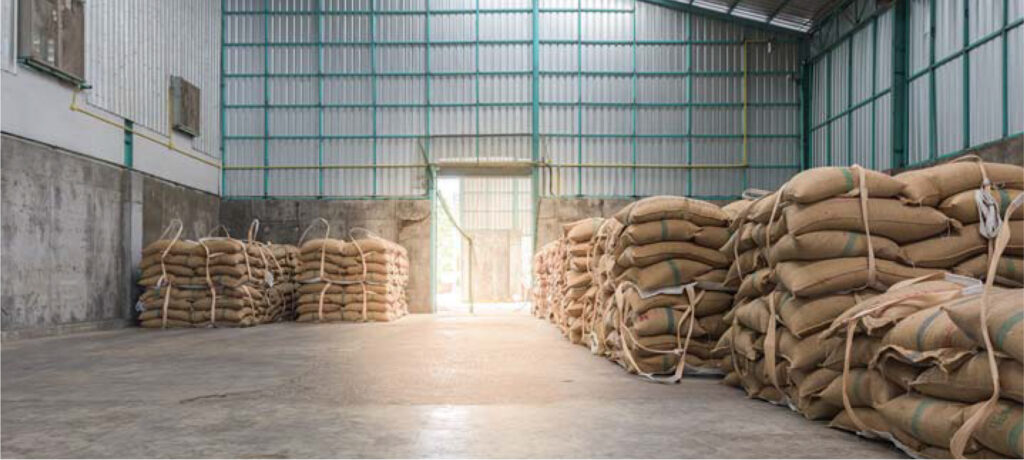
The Numbers: $84,000 Saved
Confirmed diagnosis before storage. The financial impact was immediate.
What Actually Happened:
- Infected 120 acres: sold to feed market at $4.75/bushel = $25,650
- Clean 680 acres: sold to mill at $7.50/bushel = $229,500
- Total revenue: $255,150
If He’d Stored Everything Together:
- Entire 800 acres contaminated, forced to feed market = $171,000
Money saved: $84,150
Worst case (if lot rejected entirely):
- Distress sale at $3.50/bushel = $126,000
- Money saved in that scenario: $129,150
“One phone call, one sample, and I saved more than I’ll make in net profit over the next three years, You can do the math.”
How the Harvest Hotline Works
Prairie Edge didn’t just give David a sample submission form and a queue number. They gave him Sarah’s cell and a pathologist–Maria Cutler–who picks up during harvest.
“The first time David called me during harvest season, it was 7:15 on a Thursday night,” Sarah says. “He said, ‘Sarah, I know you’re probably heading out, but I’ve got a combine sitting in the field and I need to make a call by morning.’ I told him, ‘David, get me the sample. I’ll be here.’ That became our thing. If it’s harvest season, we’re available. Period.”
How it works: Call with symptoms. Get sampling guidance. Drop samples same day. Priority processing. Results by phone as soon as they’re confirmed.
“I’ve sent samples to labs before,” David says. “You get a tracking number, an email that–‘we’ll contact you in 5-7 business days’–and then you just hear nothing. With Prairie Edge, I had Sarah’s cell number. Maria called me personally. That’s different.”
The Rest of 2024 Harvest
David’s 2024 harvest: August 1-12. Cutting 2,800 acres in a 12-day window between weather systems. Wheat streak mosaic showed up across western Kansas that year – symptoms appearing in fields all over the region. Farmers panicking, trying to make storage calls with no data.
With Prairie Edge’s Harvest Hotline, David tested three suspicious field sections during harvest. Results back within 48 hours, every time. Every storage decision made with data.
Final count: 2,800 acres stored right, zero cross-contamination incidents, milling contracts fulfilled, feed sales done on the low-grade acres.
“Harvest 2024 had the worst disease pressure I’ve seen in fifteen years, And it was my least stressful harvest ever. Because I wasn’t guessing.”

How David Farms Now
David builds rapid testing into his harvest workflow. Sees something suspicious, tests right away. Makes storage decisions based on confirmed diagnoses.
Budgets $2,500 a year for rapid testing during harvest season. Treats it like fuel and labor–standard operating expense. Plans his 2025 harvest around rapid testing availability, figures on 5-7 tests during the season.
“I used to think of testing as something you did for certification, or because buyers made you, Now I think of it like crop insurance. You know–protection I pay for because the alternative costs way too much.”
How Word Got Around
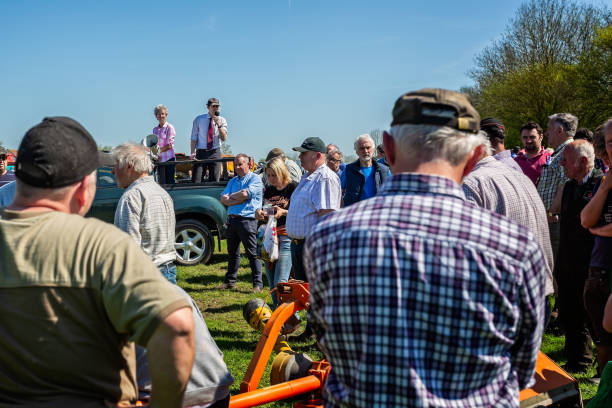
August, at the local equipment auction. David runs into his neighbor Jeff Patterson.
“Heard you had disease issues this year,” Jeff says. “How’d you manage it?”
“Called Prairie Edge,” David says. “Got confirmation the next day–twenty-six hours. Segregated the infected acres, saved the rest for milling. Probably saved me $80k, maybe more.”
Jeff just looks at him. “Wait. Hold on. You got results during harvest?”
David pulls up Sarah’s contact on his phone, hands it to Jeff. “Call her. Tell her I sent you. She’ll get you answers before you have to make the call.”
Jeff takes the phone, looks at it, looks back at David. “You’re serious.”
“I’ve farmed for forty-three years,” David says. “Never referred anyone to a seed lab in my life. But after what they did for me? You see something weird during harvest, you call Prairie Edge first. That’s just what you do now.”
The Long-Term Setup
David uses Prairie Edge for pre-season germination testing now, varietal purity, certification. But the rapid testing during harvest–that’s what built the trust.
“I sleep better now,” David says. “If I see something concerning, I’m not trapped. I can call Sarah, get a sample tested, have answers before I make the call. That peace of mind’s worth more than the testing cost.”
2024: $450 testing expense prevented $84,000 in losses. 2025 harvest already has rapid testing in the budget.
What Changed
Grain gets segregated based on data now, not hope. Premiums protected. Harvest happens with confidence even during disease pressure, even when timing’s critical, even when every hour matters.
David farms with certainty now instead of guesses. That July 2024 call to Prairie Edge’s Harvest Hotline prevented $84,000 in losses. $450 testing expense turned into a 187:1 return.
David’s already thinking bigger. “Next season, I’m testing every field before I cut,” he says. “Not just the ones that look suspicious–everything. Because now I can actually afford to know. And if I know exactly what I’m harvesting before it hits the bin? Man, the storage decisions, the contract negotiations, the whole risk picture–it all changes.”
His son Jake keeps bringing it up. “He says we should start consulting for other operations,” David says. “Because we’ve got data nobody else has. We know our fields better than anyone within a hundred miles. That wouldn’t be possible without rapid testing.”
Four generations of Hartmans built this operation on experience and instinct. The fifth generation will build it on molecular certainty.
“Before rapid testing, I hoped I was making the right calls, Now I know. And knowing? That’s protecting what four generations built.”
The Results:
With Prairie Edge, Hartman Family Farm saw results fast.