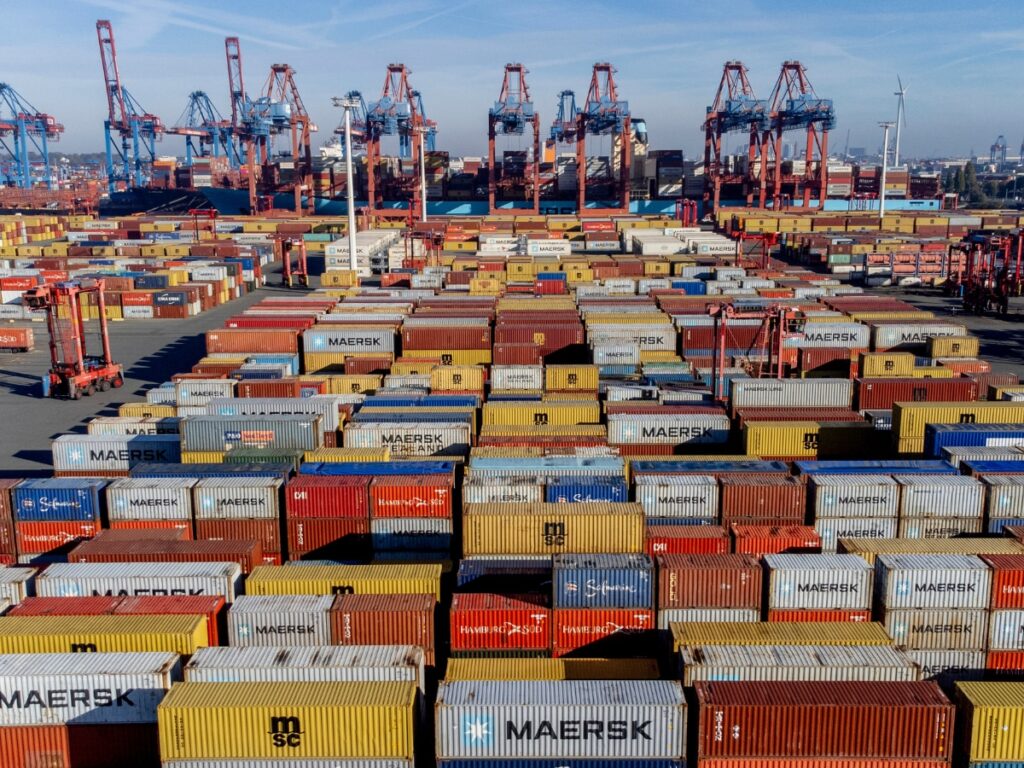
Verdant Seeds ships heirloom and specialty vegetable seeds to distributors across North America, Europe, and Asia. In 18 years, they’d built something rare in commodity agriculture—a reputation as a premium supplier. Distributors trusted them. They knew the seeds would arrive healthy, viable, and certified clean. One out of every major buyer in Europe relied on them.
That reputation meant everything.
Then in 2019, one contaminated shipment nearly ended them. A 40-ton container of tomato seeds arrived in Belgium carrying bacterial spot. Invisible. Dormant. $180,000 worth destroyed. Their largest distributor threatened to drop them as a supplier.
The problem was brutal: their old testing approach—basic germination checks—couldn’t see the pathogens that customs officials and international distributors actually cared about. And here’s what they didn’t know: bacterial spot is dormant for months before showing any symptoms. By the time it’s visible, it’s already in every distributor’s warehouse. In every retailer’s inventory. You can’t manage what you can’t measure. And you can’t see what kills you.
After partnering with CSP Labs in March 2020, Verdant achieved what most seed exporters never do:
- Zero border rejections or destroyed shipments since 2020
- $395,000 in avoided losses over three years
- 10.5x ROI on testing investment
- 45% export business growth in three years
- $2.8M contract won because of CSP Labs certification
“One bad shipment nearly ended us, We had no idea the disease was even in there. Our old testing partner, they just did germination checks. They weren’t looking for what could actually sink us—disease, pathogens, the stuff customs officials care about.”
The Challenge: One Contaminated Shipment Exposed Everything
Verdant’s problem wasn’t obvious until it was catastrophic.
The company had spent 18 years building relationships with distributors across Europe and Asia. They knew the business. They understood logistics. They had quality control—basic germination tests that checked if seeds could sprout. That was standard.
Then in 2019, a 40-ton container of tomato seeds arrived in Belgium. It passed initial inspections. But when the distributor ran their own pathogen testing, they found bacterial spot contamination throughout the entire shipment.
All $180,000 worth of seeds had to be destroyed.
The fallout hit hard. The Belgian distributor, one of their largest partners, threatened to drop them. Retailers who’d received seeds from earlier batches started asking questions. Every future shipment got flagged by customs for additional inspection.
“You’re standing at the dock watching your container get loaded,” Tim recalls. “And you’re thinking—is there something invisible in there that’s going to explode when it lands in Amsterdam three weeks from now? That feeling never left.”
The core problem: in international seed exports, what you can’t see kills you. Bacterial spot and fungal spores are dormant, invisible. A seed looks perfectly fine. But conditions shift during transit—humidity, temperature, timing—and suddenly you’ve got contamination arriving at a border that’s now scanning for exactly this kind of thing.
Verdant needed testing that went deeper than germination. They needed pathogen detection. They needed certification that customs officials and international distributors would actually accept.
The Solution: Seeing What Your Eyes Can’t
After the Belgium disaster, Tim and Sophia, Verdant’s Quality Manager, started researching labs that specialized in seed-borne pathogens. They needed partners who understood the specific diseases that trigger border rejections—not generic quality testing, but seed-specific expertise.
They found CSP Labs.
What Set CSP Labs Apart
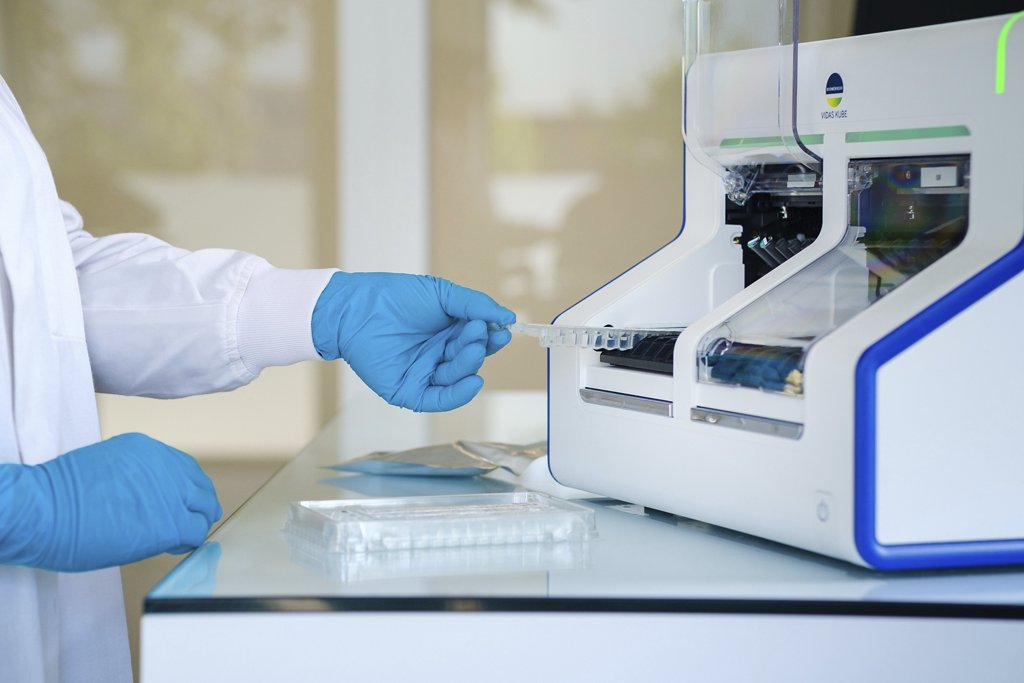
CSP Labs does one thing: hunt for the pathogens that destroy international seed shipments. They have advanced detection technology that catches bacterial spot, fungal pathogens like Fusarium and Alternaria, viral diseases, phytoplasma—all the invisible threats that customs flagged as critical.
But more importantly, they understood the industry. They know exactly what each country’s customs will flag. They have a facility in California and another in Thailand for regional testing. They can turn results around in 5 to 7 days—fast enough for Verdant to treat contaminated batches with hot water protocols and re-test before shipping. And they provide certified health reports that actually speed up customs clearance.
“We can’t see these pathogens with our eyes, A seed looks totally fine. But bacterial spot or fungal spores can be dormant, invisible, just waiting to explode when the conditions are right. CSP Labs has the technology and expertise to catch what we can’t see.”

In March 2020, Verdant switched to CSP Labs for all international shipments.
How It Actually Works
Before any international container ships, Verdant sends seed samples to CSP Labs. The lab tests for the diseases flagged by the destination country. If contamination shows up, Verdant treats the seeds—usually hot water treatment—and re-tests. Nothing ships until it’s certified clean.
Three months after switching to CSP Labs, the moment came that proved everything.
A pepper seed batch headed to Canada came back positive. Minor fungal contamination. Invisible to the naked eye. Completely invisible. But CSP Labs caught it.
Tim and Sophia stood looking at the report. This was the first real test. This was the moment they’d either been right about the partnership or they’d made another mistake.
“When I saw that first report showing contamination we would have, you know, we would’ve totally missed,” Sophia says. “I realized—this is it. We’re never going to have another Belgium. CSP Labs just gave us our business back.”
That one catch alone saved $95,000 in potential losses. But more than that, it proved the system worked. It proved they’d made the right decision. It proved they could trust what they couldn’t see.
The Results: From Anxiety to Confidence
Since partnering with CSP Labs in March 2020, Verdant has had zero border rejections, zero destroyed shipments, zero customer complaints across 12 countries.
The numbers tell part of the story. Testing costs about $2,500 per shipment on inventory worth $200,000 to $300,000. Over three years, Verdant invested $37,000 in testing and avoided $395,000 in direct losses—a 10.5x return.
But beyond the numbers, the real proof came in the relationships.
The Belgian distributor who nearly dropped them in 2019? Once they saw the CSP Labs certification, they increased orders by 30%. Two new European distributors came on board specifically because Verdant could provide certified health reports. That recovery alone generated $350,000 in additional annual revenue.
“You’re standing at the dock now,” Tim says, “and instead of anxiety, there’s confidence. We know our seeds are clean. We know they’ll pass inspection. That changed everything.”
Then came the validation that mattered most.
In late 2021, a major Asian distributor reached out with an opportunity: 500 tons of vegetable seeds over three years. They had one requirement—all seeds must be tested by CSP Labs’ Thailand facility and come with certified health reports.
Verdant already had that infrastructure in place. They didn’t have to build it. They didn’t have to figure it out. They already knew how to do this.
They won the contract: $2.8 million over three years. A competitor without CSP Labs testing lost the bid.
It wasn’t just about the money. It validated what Tim and Sophia had learned the hard way: in the seed business, trust isn’t about reputation anymore. It’s about proof. And proof means pathogen testing.
“CSP Labs isn’t a cost centre for us,” Tim says. “It’s what lets us sleep at night and actually grow our business. This isn’t a vendor relationship. This is a partnership.”
Today, Verdant ships to 12 countries with zero failures since 2020. Their export business grew 45% in three years. They went from being paralyzed by fear of the invisible to confidently expanding into new markets.
“We spent years guessing whether our seeds were clean, Now we know. That confidence changed everything—our customers trust us again, we’re growing faster than ever, and I actually sleep at night. You can’t put a price on that.”