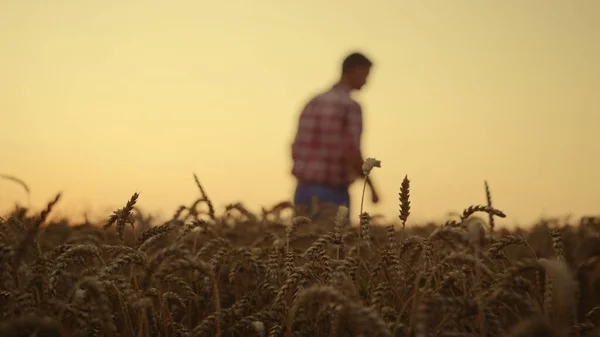
Voss organic Exports represents one of organic agriculture’s most unlikely success stories. Founded in 2018 by Elena Voss–an agricultural scientist with zero farming experience–the company started with 160 acres in southern Manitoba and an ambitious goal: compete in international organic grain export serving premium buyers in Germany, Netherlands, and Japan.
The stakes in this market are unforgiving. One contaminated seed in 50,000 pounds can kill an $80,000 sale. International buyers test a single sample. If it fails, they reject the entire container. No negotiation. No second chances.
“I knew if I couldn’t prove quality at every single step, this wasn’t a business,” Elena told us. “It was just an expensive way to go bankrupt.”
That’s because, in organic grain export, the technical demands had become impossible for most producers to manage. Proper sampling requires capturing grain from every part of the flow following strict protocols that buyers verify. Equipment calibration is a moving target. Paperwork is a nightmare–Europe demands specific formatting. Asia requires different documentation.
The killer problem? Finding an unknown seed at 9 PM when your container loads at 6 AM. Most labs take three to five business days to respond. By then, you’ve missed the shipping window and lost the buyer.
“We were seeing producers with decades of experience get rejected shipments because they couldn’t keep up,” Dr. Goffer Halmond, Technical Director Precision Seed Analytics told us. “The barrier had become technical mastery, not just good farming.”
Elena knew that for a 160-acre operation with zero margin for error, one rejected shipment could end everything. But she saw this differently: master the precision, and competitors relying on scale couldn’t touch her.
So she invested in world-class training and technical partnership before buying a single piece of equipment. With Precision Seed Analytics as her partner, her risk paid off. She accomplished what most producers take years to build–and still fail at–in just seven years, including:
Seven years later, the results speak louder than any pitch:
- 127 international containers shipped across three Germany, Netherlands, and Japan.
- Zero rejected shipments. Ever.
- 15-20% premium pricing sustainedthrough five years of market volatility.
- Multi-country buyers who increase their orders every season–unheard of for a small operation.
“In grain export, you either master precision or you die slowly. There’s no middle ground. Scale can’t save you if your quality fails.”
The challenge: When you can’t afford a single mistake
Elena didn’t have the advantages of established operations. No inherited land. No existing buyer relationships. No financial cushion to absorb a rejected shipment.
Most producers rely on scale to weather mistakes–process enough volume and a few rejected containers won’t sink you. Elena had no scale. What she could do was be more precise than anyone else.
As Dr. Goffer Halmond explained, the technical barriers had evolved beyond what most operations could handle.
“Some producers were still using sampling methods from the 1990s. Grab a scoop from the top and call it representative. That doesn’t work anymore. Modern buyers verify your sampling protocol. They check your equipment calibration records. They compare your documentation against current regulations across multiple countries.”
Equipment calibration alone creates constant problems. Air speeds shift with humidity throughout the day. Screen apertures wear down with use. Over-clean and you lose 8-12% of yield. Under-clean and the shipment fails purity tests.
The killer problem happens at 9 PM on a Sunday. You’re processing the last lot before Monday morning’s container load and you find an unknown seed. You have nine hours to identify and decide whether to ship or scrap on $80,000 lot.
Most labs take three to five business days to respond. By then, you’ve missed the shipping window, paid demurrage fees, and likely lost the buyer relationship you spent months building.
For Elena’s operation, one rejected shipment could end everything. So she set about searching for a partner that could help her meet current precision requirements and stay ahead as those requirements evolved.
“Small operations actually have an advantage in export markets if they can achieve precision. They’re more agile, more focused. But most never invest in the foundational knowledge to capitalize on that advantage.”
The solution: A technical foundation built on expertise, not equipment
After evaluating her options, Precision Seed Analytics was the clear choice to deliver her vision.
What set Precision Seed Analytics apart:
- ISTA-certified training programs that international buyers recognize immediately.
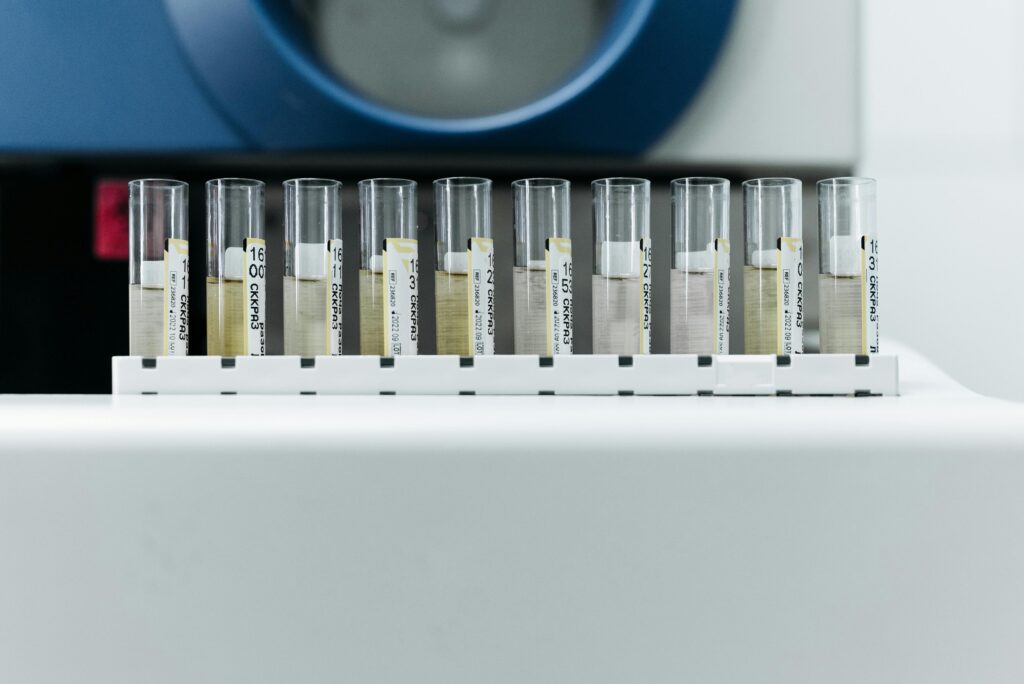
- 24/7 rapid diagnostics support–problems identified in hours, not days.
- Ongoing calibration verification and equipment optimization.
- Regulatory tracking across multiple export markets.
- Direct access to technical expertise without hiring in-house staff.
Backed by Precision Seed Analytics’ technical foundation, Elena then tackled what she calls her “expertise-first” build.
“Most producers buy equipment first, figure out the technical stuff later,” Sam Murray, VP of International Client Services at Precision Seed Analytics told us. “Elena did the opposite. Spent six months on training before her facility even opened. I’ve never seen that before.”
Here’s what Elena built:
Training that turns crisis into certainty
Before her facility even opened in 2019, Elena completed two certification programs that most producers skip.
Advanced grain cleaning certification taught her what typically takes operators years to learn through trial and error. When purity tests came back wrong, she could pinpoint the problem in minutes: Air speed? Screen size? Feed rate? Grain moisture?
What took competitors hours became a 15-minute fix.
“About three months in, Elena calls with a purity issue,” Sam recalls. “We talk through her calibration settings for ten minutes. She adjusts two parameters; next test comes back perfect. That saved her six grand in reprocessing and four days. That’s what the training does.”
International sampling certification gave her credentials that buyers recognize immediately. But the real value was understanding why each protocol step mattered.
“Halfway through the training, something clicked,” Elena says. “I realized every hour I spent learning meant I wouldn’t waste ten hours later on problems I didn’t understand. When you’re shipping $80,000 containers with maybe six chances per season to get it right, you do the math pretty fast”.
Then came the night that changed everything.

It was 9 PM on a Sunday. Elena was alone in her cleaning facility, fluorescent lights buzzing overhead, processing the last lot before Monday morning’s container load to a new buyer in the Netherlands–her largest shipment to date.
She was holding a seed between her thumb and forefinger. Tiny. Maybe size of a pinhead.
Her stomach just dropped.
“Container loads at 6 AM Monday. If that seed was contamination, I was done. Eighty thousand dollars gone. A buyer I’d spent six months getting. Gone.”
Her hands were shaking when she took the photo. Sharp, well-lit, multiple angles–everything the training taught her. She sent it to Goffer.
“I wasn’t hopeful. It was Sunday at 9 PM. I was just documenting what I thought was the end.”
She went back to her desk. Started calculating how long she could keep the business running if this sale disappeared.
Forty-five minutes later, her phone buzzed.
She looked down expecting her husband. Instead: a text from Goffer. Wild mustard seed. Contamination risk moderate. You can ship as-is or reprocess–here are the exact gravity table settings if you reprocess.
Complete answer. Equipment settings. Everything she needed. Sunday night. 9:45 PM.
“I just sat there staring at my phone. I remember thinking: holy shit, this is actually going to work.”
Dr. Halmond remembers that night.
“Her photo was perfect quality, and the shipment arrived safely at the buyer’s facility in Rotterdam.”
Precision that compounds daily
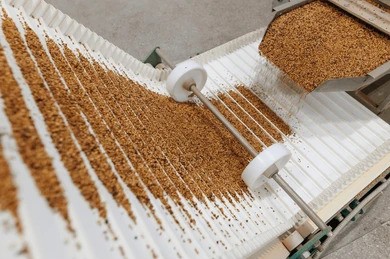
From her first shipment in January 2020, every single lot followed rigorous protocol Elena still uses today–automated subsample every seven minutes during grain flow, composite sample subdivided following international standards, comprehensive laboratory testing.
The real competitive advantage emerged in daily operational details that most producers overlook.
When equipment produces unexpected results, Elena ships calibration samples to Precision Seed Analytics for verification–usually resolved within hours. When certificate formatting requirements change across different markets, Sam’s team updates her documentation templates before buyers mention it.
“We designed this specifically for operations like Elena’s Sam explained. “Small exporters can’t afford in-house technical staff with expertise in sampling protocols, equipment calibration, international regulations, and rapid diagnostics. But they need the same precision as operations ten times their size. That’s what we provide.”
Dr. Halmond added that Elena’s training foundation makes their partnership faster.
“When Elena sends us a calibration sample or diagnostic photo, she knows exactly what information we need. We can work at maximum speed because she’s giving us maximum information.”
“We designed this specifically for operations like Elena’s Small exporters can’t afford in-house technical staff, but they need the same precision as operations ten times their size.”
The result: Certainty that enables growth
Elena’s “precision-first” strategy, powered by Precision Seed Analytics, delivered exactly she needed–but also revealed opportunities she hadn’t initially considered.
Here’s how the team describes the impact:
“Elena doesn’t spend time troubleshooting equipment drift or hunting down certificate format updates anymore. That stuff gets solved in hours, sometimes minutes. So she spends her time on what actually grows the business–buyer relationships, bringing on contract growers. That’s where you actually make money.”
For Elena, the shift was mental.
“I watched a competitor wait four days for a lab to identify contamination. Four days. By then they’d missed the waiting window? Me? The longest I’ve ever had to wait in seven years. Six hours. When you know the answer’s coming fast, you stop panicking and start deciding. That’s the difference between barely surviving and actually building something.”
Dr. Halmond sees Elena’s success as proof the model works.
“We built Precision Seed Analytics around a simple idea: small operations shouldn’t need to choose between precision and growth. The right technical foundation lets them have both. Elena proves it.”
With that certainty as her foundation, Elena has started carefully building a contract grower network. Her quality standards don’t suffer as volume increases because the technical support system scales with her operation.
With that certainty as her foundation, Elena has started carefully building a contract grower network. Her quality standards don’t suffer as volume increases because the technical support system scales with her operation.
International buyers have noticed.
“Most buyers maintain order sizes until they’ve seen five or more perfect shipments. Mine increased orders in year two and have continued growing volumes every year since. That’s unheard of for a small operation.”
Other producers regularly suggest Elena try cheaper testing labs. She declines every time.
“I get it. I understand the cost difference. But switching means rebuilding buyer trust from zero. In export markets, your next contract depends on your last shipment’s performance. That trust is worth ten times any testing cost savings.”
Elena didn’t need to choose between quality and growth. She built a system that delivers both–and compounds every year.
For small producers contemplating similar moves into premium export markets, Voss Organic Exports demonstrates that scale isn’t destiny. With the right technical foundation and the courage to invest in expertise before equipment, precision becomes the ultimate competitive advantage.
“Seven years ago, everyone said a 160-acre operation couldn’t compete in international export. Now I’ve got 127 perfect shipments, buyers in three countries increasing orders every year, and I catch problems before they become disasters. That’s not luck. That’s knowing exactly what’s going to happen.”